สถาบันวิจัยและพัฒนา5 พ.ย. 2568
สำนักศิลปวัฒนธรรมและพัฒนาชุมชน มหาวิทยาลัยราชภัฏรำไพพรรณี ร่วมกับภาคีเครือข่ายชุมชนทอเสื่อ หน่วยงานภาครัฐและเอกชน จัดพิธีไหว้ครูช่าง เสื่อสาดศิลป์ถิ่นจันทบูร ครั้งที่ 4 เพื่อยกย่องครูภูมิปัญญา
จันทบุรี – สำนักศิลปวัฒนธรรมและพัฒนาชุมชน มหาวิทยาลัยราชภัฏรำไพพรรณี ผนึกกำลังภาคีเครือข่ายชุมชนทอเสื่อ ทั้งภาครัฐและเอกชน จัดงานพิธีไหว้ครูช่าง “เสื่อสาดศิลป์ถิ่นจันทบูร ครั้งที่ 4” ระหว่างวันที่ 19-20 ธันวาคม 2568 เพื่อยกย่องครูภูมิปัญญาผู้สืบสานงานหัตถศิลป์เสื่อกกจันทบูร มรดกทางวัฒนธรรมอันทรงคุณค่าของจังหวัด
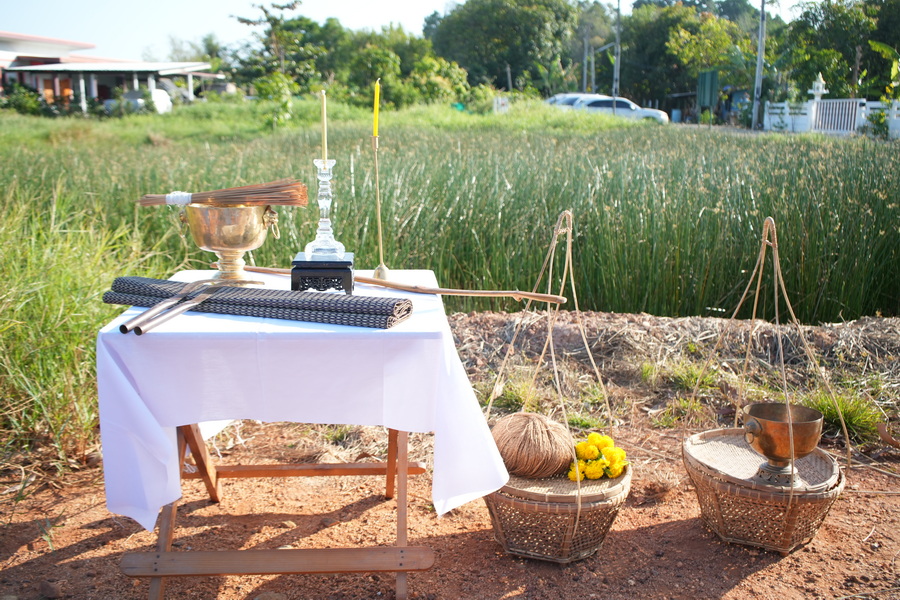
กิจกรรมในวันที่ 19 ธันวาคม พ.ศ. 2568 เริ่มต้นด้วยพิธีโบราณ “ขอขมาต้นกก ขุดเหง้า” ณ บ้านเขาน้อยท่าแฉลบ ตำบลบางกะจะ ซึ่งเป็นกุศโลบายในการแสดงความเคารพต่อธรรมชาติและสิ่งศักดิ์สิทธิ์ก่อนนำวัตถุดิบจากท้องถิ่นมาใช้ประโยชน์ จากนั้นจัดพิธีเจริญพระพุทธมนต์ ณ พระตำหนักเทา เพื่อความเป็นสิริมงคลแก่ผู้สืบทอดงานหัตถศิลป์
ไฮไลต์สำคัญในวันที่ 20 ธันวาคม พ.ศ. 2568 คือพิธีไหว้ครูช่างอย่างเป็นทางการ พร้อมมอบรางวัลเชิดชูเกียรติครูภูมิปัญญาเสื่อจันทบูรภายใต้ชื่อรางวัล “ศิลปสานพรรณี” ประจำปีนี้ให้แก่พ่อครูและแม่ครูผู้เป็นเสาหลักในการอนุรักษ์ศิลปะการทอเสื่อ 4 ท่าน ประกอบด้วย แม่ครูจารุวรรณ เจริญงาม (พื้นที่หนองบัว เสม็ดงาม), พ่อครูประสิทธิ์ วงษ์จีนเพ็ชร (พื้นที่บางกะจะ), แม่ครูสุริยา แก่นจันทร์ (พื้นที่บางสระเก้า) และนายบุญธรรม สุขากรณ์ ช่างทำฟืมทอเสื่อผู้รักษาหัวใจสำคัญของอุปกรณ์การผลิต
การจัดงานครั้งนี้มีเป้าหมายหลักเพื่อสร้างขวัญและกำลังใจให้แก่กลุ่มช่างฝีมือในชุมชน ซึ่งถือเป็นฟันเฟืองสำคัญในการรักษาอัตลักษณ์ของจันทบุรี การมอบรางวัล "ศิลปสานพรรณี" เป็นสัญลักษณ์ของการยอมรับในทักษะชั้นสูงที่สืบทอดกันมาหลายชั่วอายุคน นอกจากนี้ยังมีการส่งมอบเสื่อทอลายยกพระนามาภิไธยย่อของสมเด็จพระนางเจ้ารำไพพรรณี ผลงานการทอของนางนฤพร สายทอง เพื่อเป็นการรำลึกถึงพระมหากรุณาธิคุณที่ทรงฟื้นฟูอาชีพทอเสื่อให้กลับมาเข้มแข็งและเป็นที่รู้จักในระดับสากล
ความสำเร็จของงานครั้งที่ 4 นี้ ไม่เพียงแต่เป็นการรักษาพิธีกรรมดั้งเดิม แต่ยังสร้างแรงกระเพื่อมให้เกิดการพัฒนาผลิตภัณฑ์ร่วมสมัย (Contemporary Design) ที่ตอบโจทย์ตลาดโลก โดยเฉพาะการส่งออกเสื่อกกน้ำกร่อยที่มีคุณสมบัติเด่นคือความเหนียวนุ่มและมันวาว ซึ่งถือเป็น Soft Power สำคัญที่ช่วยยกระดับเศรษฐกิจฐานรากและส่งต่อองค์ความรู้สู่คนรุ่นใหม่อย่างเป็นรูปธรรม
The Office of Arts, Culture, and Community Development at Rambhai Barni Rajabhat University, in collaboration with local weaving networks and public-private partners, concluded the fourth annual “Sua Sad Silp Thin Chanthaboon” ceremony today. The event recognizes master artisans of the traditional Chanthaboon reed mat, a cultural heritage staple of the province. The two-day program commenced on December 19 with the traditional “Atonement and Harvest” ritual at Ban Khao Noi Tha Chalaeb. This ancestral ceremony involves seeking permission from nature before harvesting reeds. The first day concluded with a Buddhist chanting ceremony at the Grey Palace to bestow blessings upon the practitioners of the craft. On December 20, the university hosted the official Teachers’ Day ceremony, featuring the presentation of the “Silpa San Pharnni” awards. These honors recognize senior artisans who serve as pillars of heritage preservation. This year’s recipients include: Mrs. Jaruwan Jaroen-ngam (Nong Bua, Samed Ngam) Mr. Prasit Wongjinpet (Bang Kacha) Mrs. Suriya Kaenchan (Bang Sa Kao) Mr. Boontham Sukakorn (Reed-loom specialist) A highlight of the event was the presentation of a reed mat featuring the royal cypher of Queen Rambhai Barni, woven by Ms. Naruphon Saitong. The piece commemorates the Queen′s historical role in revitalizing the weaving profession for international recognition. This initiative aims to provide moral support to the artisans who are the primary drivers of Chanthaburi’s identity, The awards symbolize formal recognition of the high-level skills passed down through generations. By preserving these rituals, we strengthen the foundation for contemporary design and global exports. The fourth edition of the event demonstrated that traditional Chanthaboon reed mats—noted for their unique suppleness and natural luster—serve as a significant cultural "soft power." The program effectively bridges ancestral knowledge with modern economic opportunities, creating a sustainable income stream for local communities. Rambhai Barni Rajabhat University remains committed to its vision of being a local source of knowledge and innovation. This event serves as evidence of the university’s dedication to sustainable local development by transforming cultural assets into tangible community progress.