ฝ่ายประชาสัมพันธ์15 ก.ย. 2568
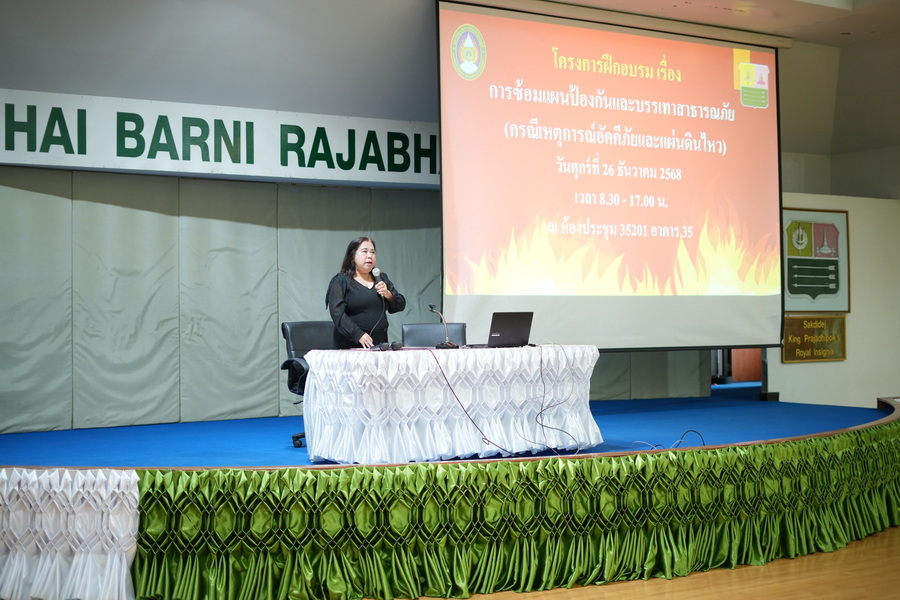
สำนักงานอธิการบดี ยกระดับมาตรฐานความปลอดภัยในองค์กร จัดโครงการฝึกอบรมเชิงปฏิบัติการการป้องกันและระงับอัคคีภัย ประจำปี 2568 มุ่งเน้นสร้างทักษะการเผชิญเหตุจริงแก่บุคลากร เพื่อสร้างสภาพแวดล้อมการทำงานที่ปลอดภัยตามกฎหมายและมาตรฐานสากล
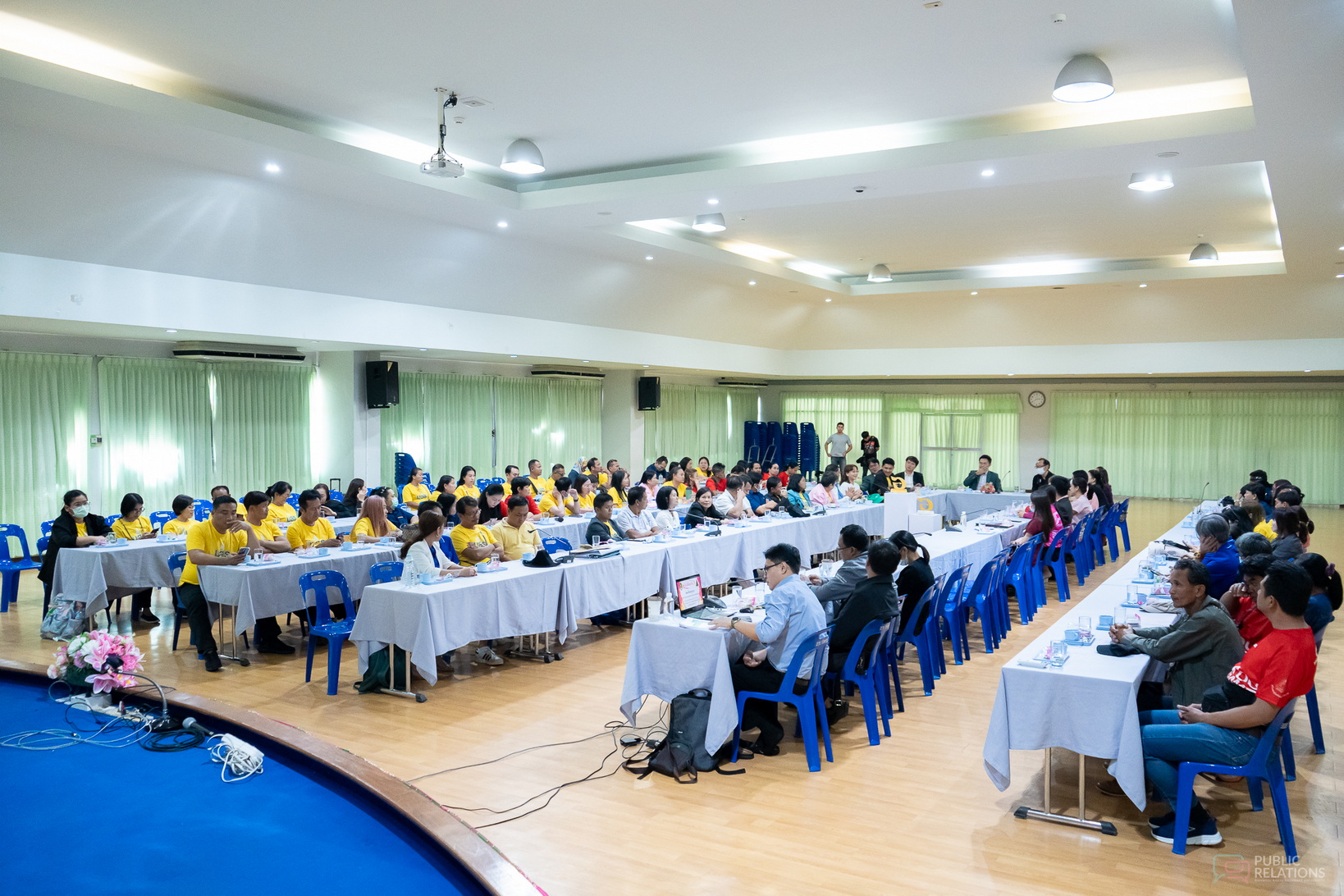
วันที่ 26 ธันวาคม 2568 ที่ห้องประชุม 35201 อาคาร 35 สำนักงานอธิการบดี ยกระดับมาตรฐานความปลอดภัยในองค์กร จัดโครงการฝึกอบรมเชิงปฏิบัติการการป้องกันและระงับอัคคีภัย ประจำปี 2568 มุ่งเน้นสร้างทักษะการเผชิญเหตุจริงแก่บุคลากร เพื่อสร้างสภาพแวดล้อมการทำงานที่ปลอดภัยตามกฎหมายและมาตรฐานสากล
การจัดโครงการในครั้งนี้มีวัตถุประสงค์หลักเพื่อให้สอดคล้องกับประกาศกระทรวงมหาดไทย เรื่องการป้องกันและระงับอัคคีภัยในสถานประกอบการ ซึ่งกำหนดให้หน่วยงานต้องจัดซ้อมดับเพลิงและฝึกซ้อมหนีไฟอย่างน้อยปีละ 1 ครั้ง โดยมุ่งเน้นการเตรียมความพร้อมทั้งในด้านทัศนคติและทักษะการปฏิบัติงานเมื่อเกิดเหตุฉุกเฉิน
หลักสูตรการอบรมครอบคลุมทั้งภาคทฤษฎีและภาคปฏิบัติ ตั้งแต่การวิเคราะห์ต้นเหตุของการเกิดเพลิงไหม้ กฎหมายที่เกี่ยวข้อง ไปจนถึงการฝึกทักษะการใช้อุปกรณ์ดับเพลิงประเภทต่างๆ การช่วยเหลือผู้ประสบภัย และการอพยพหนีไฟอย่างเป็นระบบ โดยได้รับเกียรติจาก คุณสถาพร สุขดี เจ้าพนักงานป้องกันและบรรเทาสาธารณภัย ระดับชำนาญงาน จากเทศบาลเมืองขลุง มาเป็นวิทยากรผู้เชี่ยวชาญในการถ่ายทอดความรู้
ผลกระทบเชิงบวกจากการดำเนินโครงการนี้ ช่วยให้มหาวิทยาลัยมีนักศึกษาและบุคลากรที่มีศักยภาพในการเป็น "อาสาสมัครเฝ้าระวัง" ภายในหน่วยงาน ลดความเสี่ยงต่อการสูญเสียชีวิตและทรัพย์สิน และยังเป็นการตรวจสอบประสิทธิภาพของระบบแจ้งเตือนและอุปกรณ์ดับเพลิงภายในอาคารให้พร้อมใช้งานอยู่เสมอ ส่งเสริมภาพลักษณ์การเป็นองค์กรที่มีการบริหารจัดการความเสี่ยงอย่างเป็นมืออาชีพ
ในตอนท้ายของการฝึกอบรม สำนักงานอธิการบดีได้ตอกย้ำถึงการขับเคลื่อนองค์กรสู่ความยั่งยืน โดยระบุว่าความปลอดภัยของบุคลากรคือหัวใจสำคัญของการพัฒนา สอดคล้องกับวิสัยทัศน์ในการสร้างพื้นที่การทำงานและพื้นที่การเรียนรู้ที่ปลอดภัย (Safe Zone) ซึ่งเป็นรากฐานสำคัญในการสร้างความเชื่อมั่นให้แก่ผู้รับบริการและสังคมวงกว้าง
The Office of the President at Rambhai Barni Rajabhat University conducted its 2025 Fire Prevention and Suppression Workshop to enhance institutional safety and ensure full compliance with national Ministry of Interior regulations. The initiative focused on equipping personnel with practical emergency response skills to maintain a secure environment for both staff and students. Under current Ministry of Interior mandates, all workplaces must conduct fire drills and evacuation exercises at least once per year. The university’s program integrated theoretical knowledge with rigorous physical training, covering fire cause analysis, relevant safety legislation, and the systematic use of fire-fighting equipment. Participants also practiced life-saving rescue techniques and orderly evacuation procedures. Sathaporn Sukdee, a senior Disaster Prevention and Mitigation officer from Khlung Municipality, led the training as the keynote instructor. He emphasized that the program’s primary objective was to move beyond simple awareness toward practical competency. "The goal is to transform apprehension into preparedness," Sukdee stated. "By mastering these techniques, personnel can make decisive, life-saving actions during a crisis, ensuring safety not only within the university but also in their broader communities." The workshop directly improves the university’s operational readiness by establishing a network of trained personnel capable of serving as internal safety monitors. This proactive approach significantly reduces risks to life and property while providing a critical audit of the institution’s alarm systems and fire-suppression hardware. The Office of the President reaffirmed that the safety of the university community remains a cornerstone of its development strategy. By establishing a "Safe Zone" for working and learning, Rambhai Barni Rajabhat University continues to align its operations with international risk management standards, reinforcing its commitment to institutional sustainability and public trust.