ฝ่ายประชาสัมพันธ์18 ก.พ. 2569
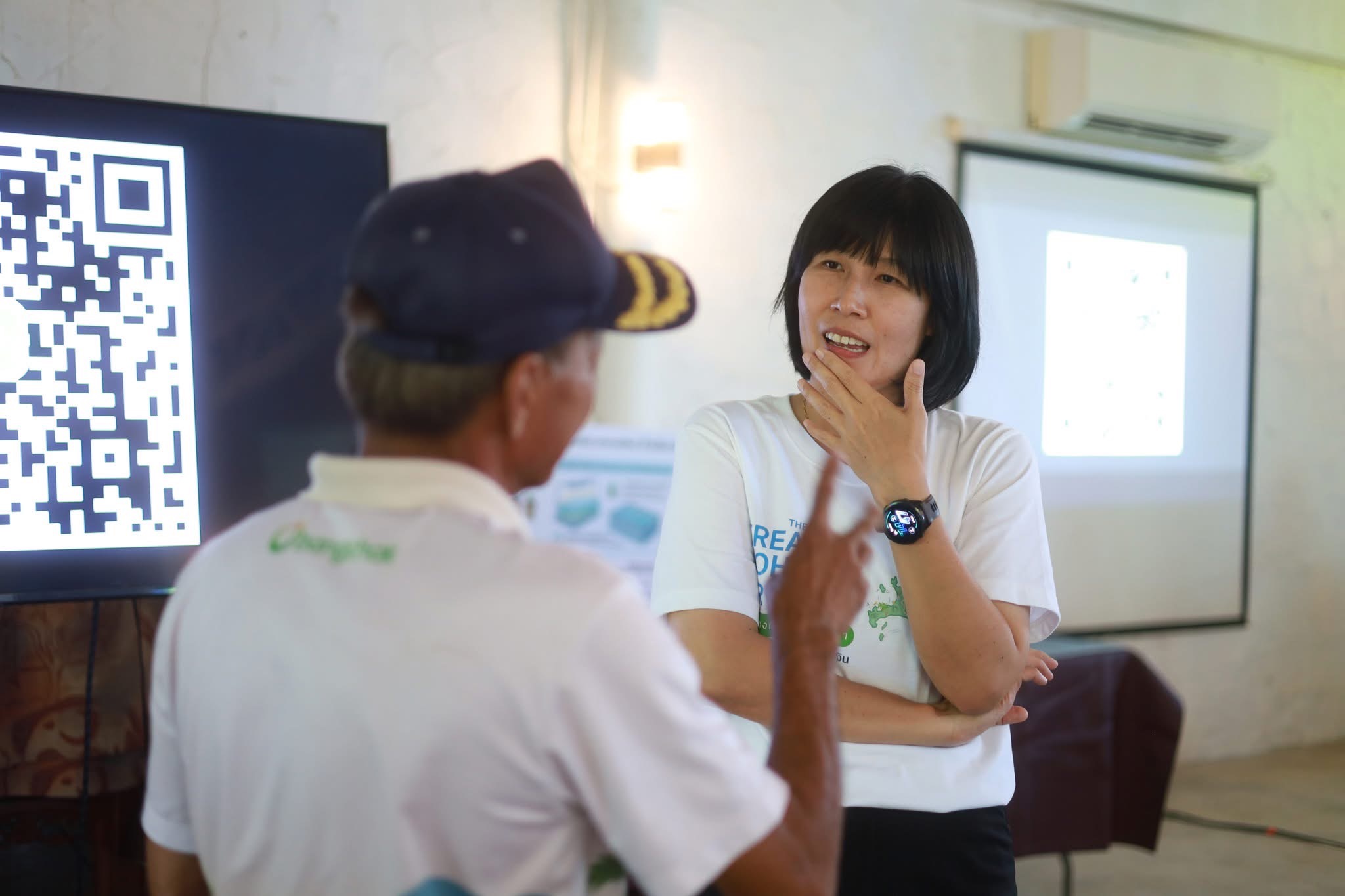
มหาวิทยาลัยราชภัฏรำไพพรรณี เดินหน้ายกระดับการท่องเที่ยวจังหวัดตราด จัดอบรมเข้มหลักสูตรมัคคุเทศก์ท้องถิ่นควบคู่การฟื้นฟูระบบนิเวศหญ้าทะเล มุ่งสร้างรายได้หมุนเวียนสู่ชุมชนอย่างยั่งยืนภายใต้แนวคิดเศรษฐกิจสีน้ำเงิน
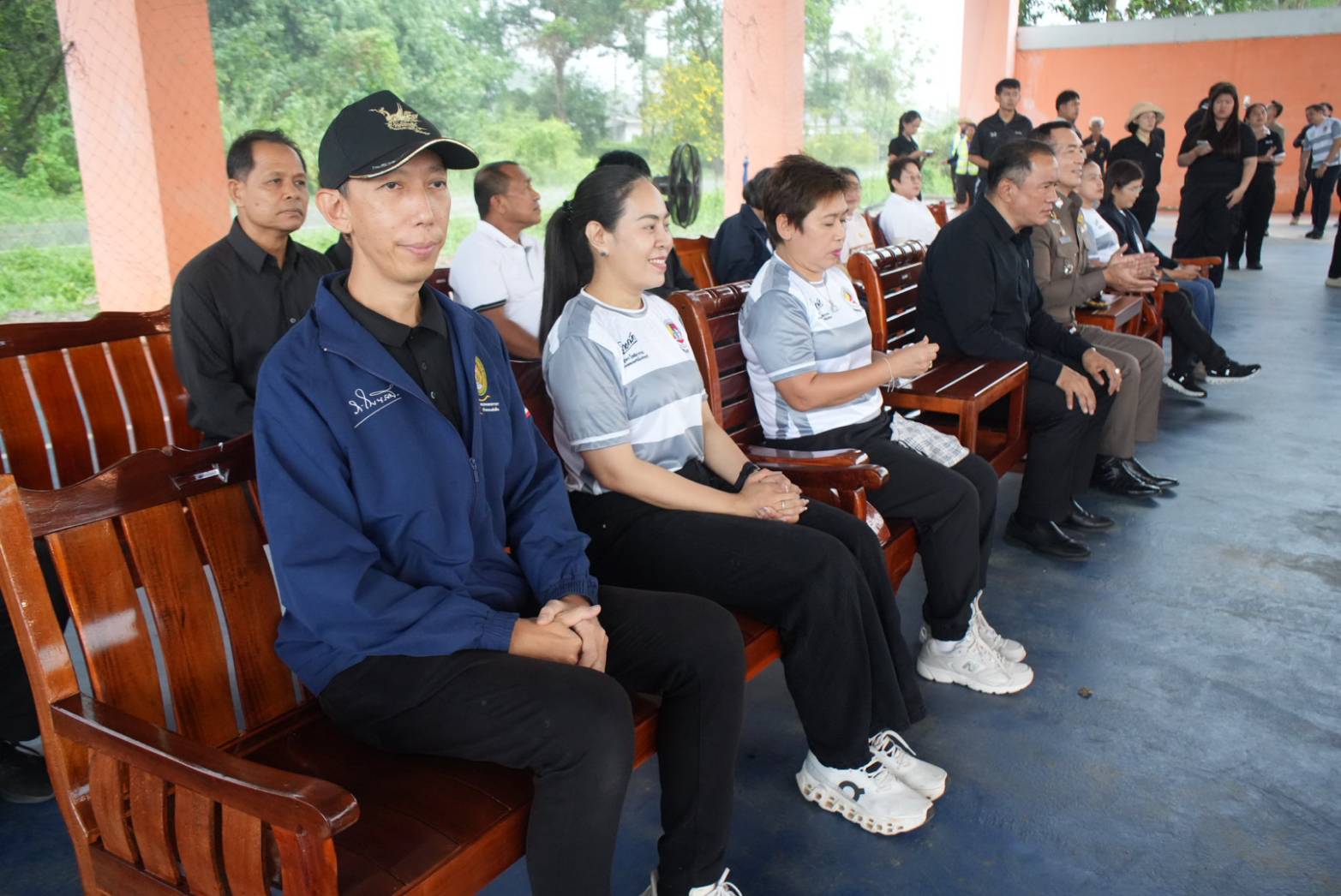
วันที่ 6 มีนาคม พ.ศ. 2569 ผู้ช่วยศาสตราจารย์สุทธินันท์ โสตวิถี ผู้อำนวยการสำนักบริการวิชาการ มหาวิทยาลัยราชภัฏรำไพพรรณี พร้อมด้วยคณะผู้บริหารและทีมบุคลากร เปิดโครงการอบรมหลักสูตร "มัคคุเทศก์ท้องถิ่นเพื่อเข้าสู่มาตรฐานการท่องเที่ยว" และหลักสูตร "การเพาะเลี้ยง การขยายพันธุ์ และการอนุบาลหญ้าทะเล เพื่อการฟื้นฟูแหล่งหญ้าทะเลอย่างยั่งยืน" โดยมีภาคีเครือข่าย ผู้นำชุมชน ผู้ประกอบการ และตัวแทนจากหน่วยงานภาครัฐ อาทิ กรมการท่องเที่ยว และกรมทรัพยากรทางทะเลและชายฝั่ง เข้าร่วมกว่า 90 ท่าน
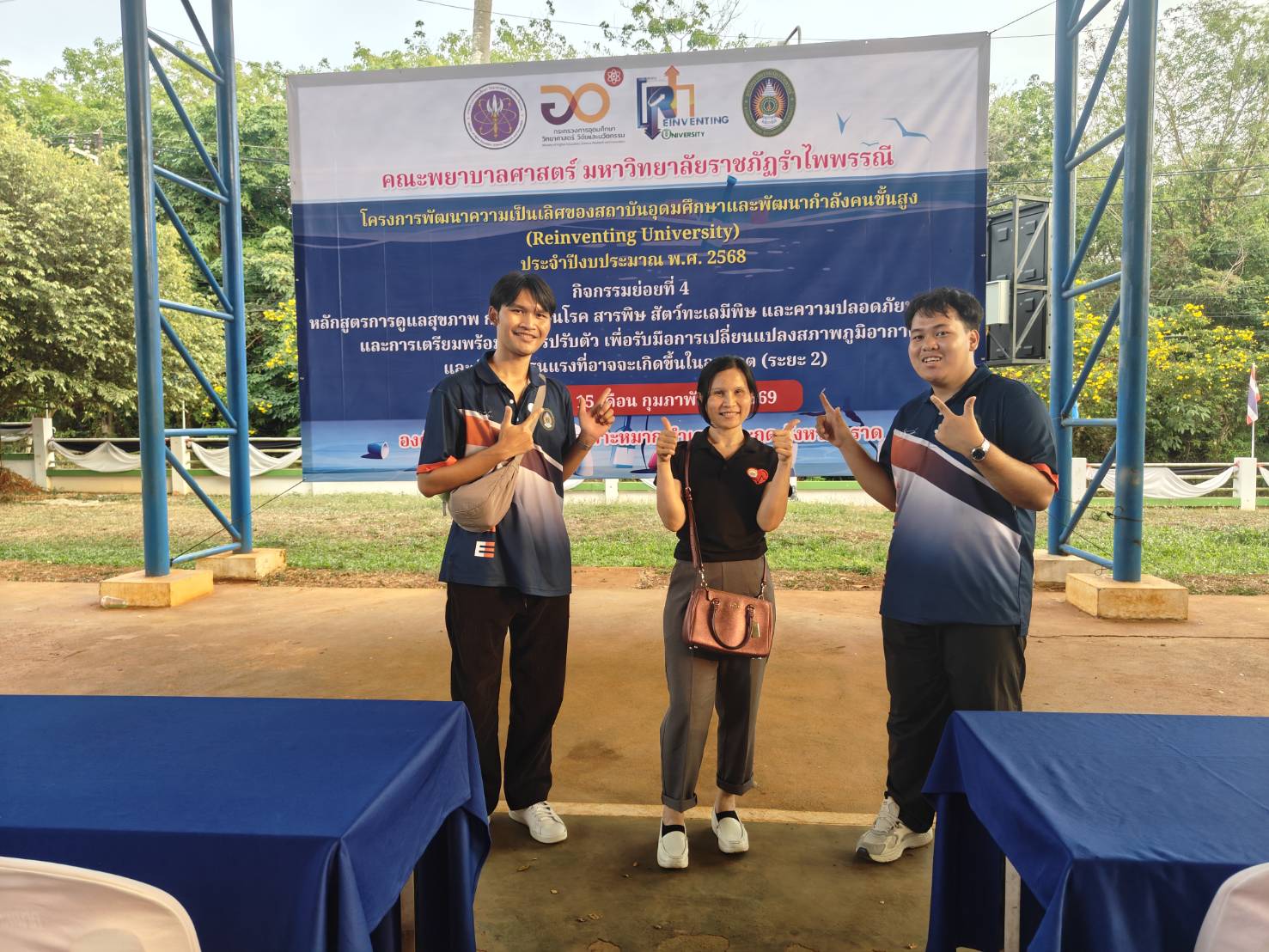
กิจกรรมดังกล่าวเป็นส่วนหนึ่งของโครงการ Reinventing University ประจำปีงบประมาณ 2568 ด้านการขับเคลื่อนเศรษฐกิจสร้างสรรค์เพื่อการพัฒนาเชิงพื้นที่ ซึ่งเน้นการเพิ่มทักษะแรงงาน (Upskill) ให้กับคนในพื้นที่เกาะหมาก เกาะกูด และเกาะช้าง ให้ก้าวสู่มาตรฐานวิชาชีพมัคคุเทศก์ที่ถูกต้องตามกฎหมายและมีคุณภาพระดับสากล
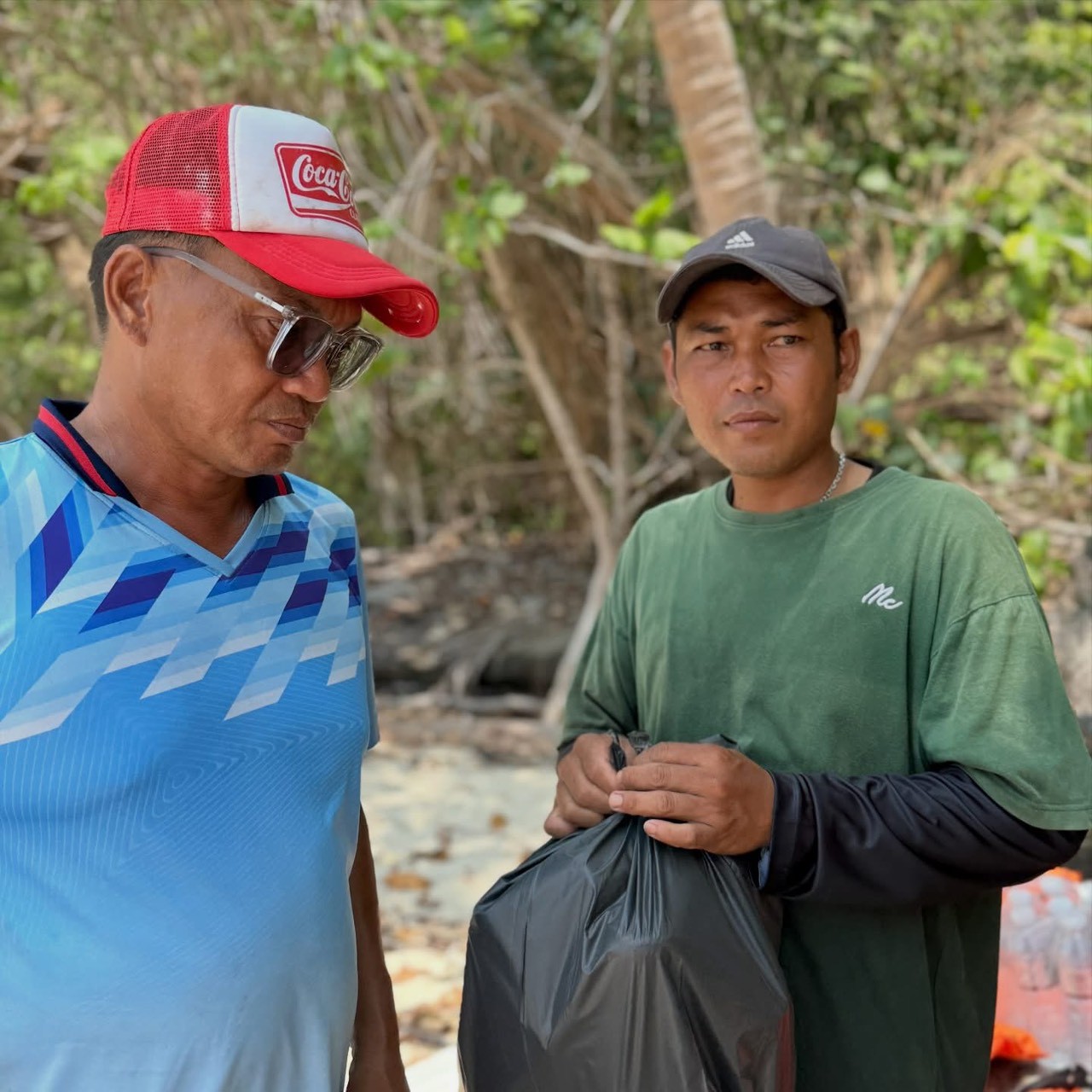
ผู้ช่วยศาสตราจารย์สุทธินันท์ โสตวิถี เปิดเผยถึงทิศทางการดำเนินงานว่า มหาวิทยาลัยมุ่งมั่นที่จะเป็นกลไกหลักในการพัฒนาศักยภาพทุนมนุษย์ของท้องถิ่น โดยเฉพาะการเตรียมความพร้อมมัคคุเทศก์ให้มีทักษะการเล่าเรื่องที่เชื่อมโยงกับอัตลักษณ์ชุมชน ควบคู่ไปกับความรู้ด้านการอนุรักษ์สิ่งแวดล้อม การอบรมในครั้งนี้ไม่ได้เพียงแค่ให้ความรู้ในห้องเรียน แต่ยังเน้นการลงมือปฏิบัติจริงในการฟื้นฟูระบบนิเวศทางทะเล เพื่อให้ชุมชนสามารถบริหารจัดการทรัพยากรของตนเองได้อย่างยั่งยืน และนำไปสู่การสร้างมูลค่าเพิ่มทางเศรษฐกิจที่จับต้องได้
ทางด้านผลกระทบเชิงบวกจากการจัดงาน พบว่าผู้เข้าร่วมอบรมมีความเข้าใจในการจัดการ "เศรษฐกิจสีน้ำเงิน" (Blue Economy) มากขึ้น โดยเฉพาะเทคนิคการเพาะเลี้ยงและอนุบาลหญ้าทะเล ซึ่งเป็นหัวใจสำคัญของระบบนิเวศชายฝั่ง การสร้างมัคคุเทศก์ที่มีความรู้เรื่องการอนุรักษ์จะช่วยเปลี่ยนรูปแบบจากการท่องเที่ยวทั่วไป เป็นการท่องเที่ยวเชิงนิเวศที่เน้นคุณภาพมากกว่าปริมาณ ช่วยลดผลกระทบต่อสิ่งแวดล้อมในระยะยาวและดึงดูดกลุ่มนักท่องเที่ยวที่มีกำลังซื้อสูง
บทสรุปของกิจกรรมนี้ถือเป็นการตอกย้ำวิสัยทัศน์ของมหาวิทยาลัยราชภัฏรำไพพรรณี ในการเป็นสถาบันอุดมศึกษาเพื่อการพัฒนาท้องถิ่นอย่างแท้จริง โดยการเชื่อมโยงองค์ความรู้ทางวิชาการเข้ากับวิถีชีวิตจริงของชุมชน ซึ่งความสำเร็จในครั้งนี้จะถูกนำไปต่อยอดเป็นโมเดลต้นแบบการจัดการท่องเที่ยวเชิงอนุรักษ์ในพื้นที่หมู่เกาะอื่น ๆ ต่อไป
Rambhai Barni Rajabhat University (RBRU) has launched a strategic initiative to elevate Trat province’s tourism sector through specialized local guide training and seagrass ecosystem restoration. The program aims to integrate sustainable community income with the "Blue Economy" framework. The Academic Service Office, led by Assistant Professor Suttinan Sotwithi, Director, alongside Assistant Professor Dr. Pornpun Sukhumapinit, Deputy Director, organized two core curriculum tracks: "Local Tour Guides for Tourism Standards" and "Seagrass Cultivation and Nursing for Sustainable Restoration." The event drew over 90 participants, including community leaders, tourism operators, and representatives from the Department of Tourism and the Department of Marine and Coastal Resources. This initiative is part of the 2025 "Reinventing University" project, focusing on creative economy drivers for regional development. The program provides essential upskilling for residents of Koh Mak, Ko Kut, and Koh Chang, ensuring local guides meet legal professional standards and international quality benchmarks. "The university is committed to serving as a primary engine for local human capital development," said Assistant Professor Suttinan Sotwithi. "We are preparing guides to master storytelling that connects with community identity while maintaining a deep understanding of environmental conservation. This training transitions from classroom theory to tangible marine restoration, empowering the community to manage their own resources sustainably and create measurable economic value." The program’s impact is reflected in the participants′ enhanced capability to implement Blue Economy practices, specifically in seagrass cultivation—a critical component of coastal ecosystems. By shifting from mass tourism to high-quality ecotourism, the initiative aims to reduce long-term environmental impact while attracting high-spending travelers interested in conservation. This successful implementation underscores Rambhai Barni Rajabhat University’s vision as a higher education institution dedicated to local development. By bridging academic knowledge with community livelihoods, the university plans to scale this model to other island clusters to ensure long-term regional prosperity.