คณะมนุษยศาสตร์และสังคมศาสตร์15 ม.ค. 2569

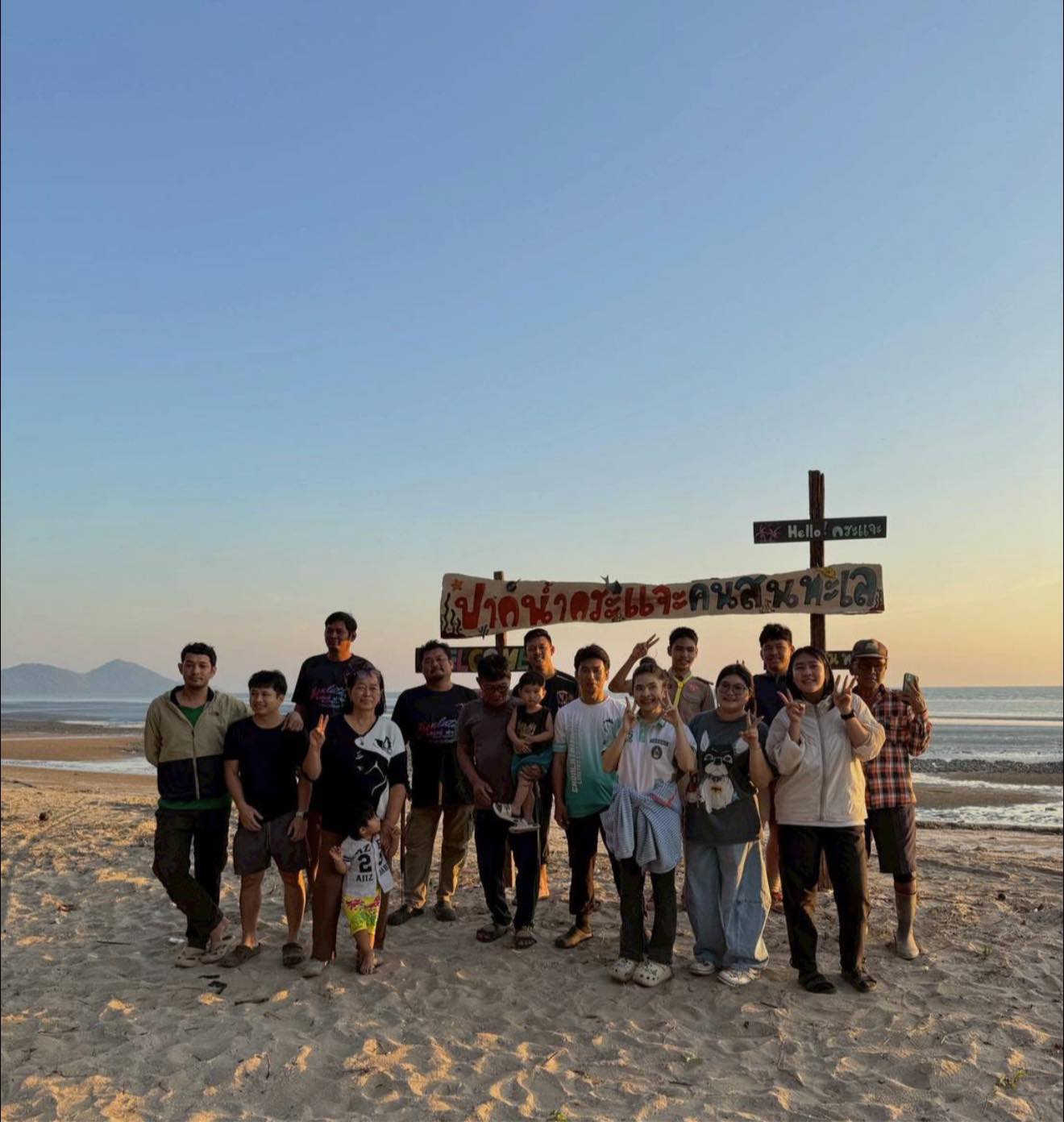
เมื่อวันที่ 21 สิงหาคม 2569 สำนักงานปลัดกระทรวงการอุดมศึกษา วิทยาศาสตร์ วิจัยและนวัตกรรม ร่วมกับศูนย์ประสานบริหารโครงการส่งเสริมการเคลื่อนกำลังคนคุณภาพด้านอุดมศึกษาแก้ปัญหาและพัฒนาเชิงพื้นที่ มหาวิทยาลัยพะเยา ลงพื้นที่ติดตามความก้าวหน้าโครงการกระแจะโมเดล การพัฒนาอาชีพประมงและการจัดการสิ่งแวดล้อมชายฝั่งด้วยนวัตกรรมเชิงพื้นที่ ภายใต้การดำเนินงานของมหาวิทยาลัยราชภัฏรำไพพรรณี ณ ศูนย์นวัตกรรมการเพาะฟักสัตว์น้ำเศรษฐกิจ กลุ่มเขาสำเภาคว่ำ ตำบลกระแจะ อำเภอนายายอาม จังหวัดจันทบุรี
คณะกรรมการผู้ทรงคุณวุฒิในการตรวจเยี่ยมครั้งนี้ นำโดยศาสตราจารย์ ดร.พีระพงศ์ ทีฆสกุล ประธานคณะอนุกรรมการด้านการพลิกโฉมมหาวิทยาลัย และประธานกรรมการตรวจเยี่ยมโครงการ AEM พร้อมด้วยคณะกรรมการผู้ทรงคุณวุฒิจากสำนักงานปลัดกระทรวงการอุดมศึกษา วิทยาศาสตร์ วิจัยและนวัตกรรม ประกอบด้วยผู้ช่วยศาสตราจารย์ ดร.สุพจน์ ทรายแก้ว ดร.ชาญวิทย์ ตรีเดช และนางสาวณัฐกนก เจนสุขสถิตไพศาล ร่วมลงพื้นที่เพื่อประเมินผลการดำเนินงานและแลกเปลี่ยนข้อคิดเห็นกับทุกภาคส่วนที่เกี่ยวข้อง
นายอรุณสวัสดิ์ ชมเชย นายกองค์การบริหารส่วนตำบลกระแจะ พร้อมด้วยจ่าสิบโท มารุต ป้องหมู่ รองนายกองค์การบริหารส่วนตำบลกระแจะ ร่วมกล่าวต้อนรับคณะตรวจเยี่ยม พร้อมชูบทบาทองค์การบริหารส่วนตำบลกระแจะในการเป็นศูนย์กลางประสานความร่วมมือระหว่างชุมชนและสถาบันอุดมศึกษา มุ่งบริหารจัดการทรัพยากรชายฝั่ง ฟื้นฟูระบบนิเวศ และส่งเสริมการทำประมงยั่งยืนเพื่อยกระดับรายได้ชุมชน พร้อมผลักดันกระแจะโมเดลเป็นองค์ความรู้ต้นแบบการจัดการทรัพยากรโดยชุมชนอย่างยั่งยืน
ผู้ช่วยศาสตราจารย์สุทธินันท์ โสตวิถี ผู้อำนวยการสำนักบริการวิชาการ มหาวิทยาลัยราชภัฏรำไพพรรณี กล่าวถึงภาพรวมของมหาวิทยาลัยในการมุ่งบูรณาการองค์ความรู้ร่วมกับชุมชนในการแก้ปัญหาขยะทะเล ฟื้นฟูทรัพยากรชายฝั่ง และสร้างอาชีพ จนเกิดเป็นเครือข่ายอนุรักษ์ทรัพยากรทางทะเลและชายฝั่งระดับตำบล พร้อมทำหน้าที่พี่เลี้ยงทางวิชาการและประสานภาคีเครือข่าย เพื่อหนุนชุมชนบริหารจัดการตนเองได้อย่างยั่งยืน และพร้อมขยายผลสู่พื้นที่อื่นต่อไป
ศาสตราจารย์ ดร.เสมอ ถาน้อย รองอธิการบดีฝ่ายวิจัยและนวัตกรรม มหาวิทยาลัยพะเยา และนางสาวอัญชลี เทียมคีรี ผู้อำนวยการกองบริหารงานวิจัย ร่วมชี้แจงถึงวัตถุประสงค์ของการลงพื้นที่ตรวจเยี่ยมโครงการ จากนั้นอาจารย์ชัชวาลย์ มากสินธ์ อาจารย์ประจำคณะมนุษยศาสตร์และสังคมศาสตร์ มหาวิทยาลัยราชภัฏรำไพพรรณี ในฐานะผู้ร่วมดำเนินโครงการ ได้รายงานผลความสำเร็จของการดำเนินงานซึ่งครอบคลุมการพัฒนาอย่างบูรณาการใน 4 มิติสำคัญ
มิติแรก การเสริมพลังชุมชนและสร้างกลไกเครือข่าย โดยบ่มเพาะศักยภาพแกนนำชุมชนและเยาวชน จนสามารถจัดตั้งกลุ่มเครือข่ายอนุรักษ์ชายฝั่ง ตำบลกระแจะ พร้อมยกร่างธรรมนูญชุมชนเพื่อเป็นกติการ่วมในการบริหารจัดการทรัพยากร มิติที่สอง การฟื้นฟูและอนุรักษ์ระบบนิเวศชายฝั่ง ด้วยการฟื้นฟูพื้นที่ป่าชายเลนบ้านหนองบัว การจัดตั้งธนาคารปูม้า การเพาะฟักและปล่อยลูกปูทะเลคืนสู่ธรรมชาติ การวางซึ้งพื้นบ้านเพื่อสร้างแหล่งอาศัยของสัตว์น้ำ ตลอดจนการสร้างเครือข่ายความร่วมมือกับกลุ่มเรือประมงในการจัดเก็บขยะทะเลกลับสู่ฝั่ง
มิติที่สาม การขับเคลื่อนเศรษฐกิจหมุนเวียน โดยการประยุกต์ใช้นวัตกรรมเพื่ออัพไซเคิลฝาขวดพลาสติกจากขยะทะเลแปรรูปเป็นผลิตภัณฑ์ของที่ระลึกสร้างมูลค่าเพิ่ม โดยนำรายได้ทั้งหมดเข้าสู่กองทุนเครือข่าย เพื่อใช้หมุนเวียนใช้ในกิจกรรมอนุรักษ์สิ่งแวดล้อมของชุมชน และมิติที่สี่ การเชื่อมโยงภาคีเครือข่ายและการบริหารจัดการนิเวศบริการ ด้วยการบูรณาการความร่วมมือร่วมกับองค์การบริหารส่วนตำบลกระแจะ กรมประมง กรมทรัพยากรทางทะเลและชายฝั่ง และศูนย์ศึกษาการพัฒนาอ่าวคุ้งกระเบนอันเนื่องมาจากพระราชดำริ เพื่อยกระดับพื้นที่อนุรักษ์ให้เป็นแหล่งเรียนรู้และแหล่งท่องเที่ยวเชิงนิเวศ
ในช่วงท้ายของกิจกรรม ศาสตราจารย์ ดร.เสมอ ถาน้อย ในฐานะหัวหน้าศูนย์ประสานบริหารโครงการ AEM ได้สรุปผลการตรวจเยี่ยม พร้อมทั้งแลกเปลี่ยนข้อคิดเห็นและข้อเสนอแนะร่วมกันระหว่างคณะกรรมการ คณะทำงานมหาวิทยาลัยพะเยา คณะทำงานมหาวิทยาลัยราชภัฏรำไพพรรณี ผู้นำชุมชน และตัวแทนองค์กรปกครองส่วนท้องถิ่น โดยเน้นย้ำถึงบทบาทสำคัญของกลไกการเคลื่อนย้ายบุคลากรอุดมศึกษา เพื่อผลักดันการเสริมกลไกของมหาวิทยาลัยในการเคลื่อนกำลังคนคุณภาพเพื่อนำองค์ความรู้ เทคโนโลยีและนวัตกรรม ลงสู่การปฏิบัติจริงในพื้นที่ อันนำไปสู่การยกระดับคุณภาพชีวิตของประชาชน พร้อมทั้งสร้างเครือข่ายความร่วมมือที่แข็งแกร่ง เพื่อส่งต่อและต่อยอดผลลัพธ์ของโครงการให้เกิดความยั่งยืนในระยะยาวต่อไป
On August 21, 2026, the Office of the Permanent Secretary, Ministry of Higher Education, Science, Research and Innovation, in collaboration with the Project Coordination Center for Areas Engagement Mobility at the University of Phayao, conducted a field visit to monitor the progress of the Krachae Model project, implemented by Rambhai Barni Rajabhat University in Krachae Subdistrict, Nayai Am District, Chanthaburi Province. The inspection took place at the Economic Aquatic Animal Hatchery Innovation Center, Khao Samphao Khuam Group. The inspection committee was led by Prof. Dr. Peerapong Teekasukul, Chairman of the Subcommittee on University Transformation and Chairman of the AEM Project Inspection Committee, accompanied by experts from the Office of the Permanent Secretary, Ministry of Higher Education, Science, Research and Innovation, including Asst. Prof. Dr. Supot Saikaew, Dr. Chanwit Treedech, and Ms. Nattakanok Jensuksatitpaisan. Mr. Arunsawat Chomchoei, Mayor of Krachae Subdistrict Administrative Organization, together with Acting Sub-Lieutenant Marut Pongmoo, Deputy Mayor, welcomed the inspection team and highlighted the organization′s role as a central coordinator between the community and higher education institutions. They emphasized efforts to manage coastal resources, restore ecosystems, and promote sustainable fishing to increase community income while positioning the Krachae Model as a knowledge-based template for community-led resource management. Asst. Prof. Suthinan Sotawithee, Director of the Office of Academic Services at Rambhai Barni Rajabhat University, outlined the university′s approach to integrating knowledge with the community to address marine debris, restore coastal resources, and create livelihoods, resulting in the establishment of a subdistrict-level marine and coastal resource conservation network. The university serves as an academic mentor and network coordinator to support sustainable community self-management with plans for expansion to other areas. Prof. Dr. Samoe Thanoi, Vice President for Research and Innovation at the University of Phayao, and Ms. Anchalee Thiamkhiri, Director of the Research Administration Division, clarified the objectives of the project inspection. Subsequently, Lecturer Chatchawan Maksin from the Faculty of Humanities and Social Sciences at Rambhai Barni Rajabhat University, as co-project implementer, reported the success of operations covering four key dimensions of integrated development. The first dimension focuses on community empowerment and network mechanism building through capacity development of community leaders and youth, leading to the establishment of the Krachae Coastal Conservation Network Group and drafting of a community charter for resource management. The second dimension addresses coastal ecosystem restoration and conservation through mangrove forest restoration in Ban Nong Bua, establishment of a horseshoe crab bank, breeding and releasing baby sea crabs into nature, installation of artificial reefs to create aquatic habitats, and creating cooperation networks with fishing boat groups for marine debris collection. The third dimension drives circular economy through innovation application for upcycling plastic bottle caps from marine debris into value-added souvenir products, with all revenue directed to the network fund for recycling use in community environmental conservation activities. The fourth dimension connects partner networks and ecosystem service management through integrated cooperation with Krachae Subdistrict Administrative Organization, Department of Fisheries, Department of Marine and Coastal Resources, and the Ao Kung Kraben Bay Royal Development Study Center to elevate conservation areas into learning centers and ecotourism destinations for corporate social responsibility. At the conclusion of the activity, Prof. Dr. Samoe Thanoi, as head of the AEM Project Coordination Center, summarized the inspection results and facilitated exchange of opinions and recommendations among committee members, University of Phayao working team, Rambhai Barni Rajabhat University working team, community leaders, and local government representatives. He emphasized the crucial role of higher education personnel mobility mechanisms to strengthen university capacity in mobilizing quality human resources to bring knowledge, technology, and innovation into practical implementation in target areas, leading to improved quality of life for citizens while building strong cooperation networks to transfer and expand project outcomes for long-term sustainability.