คณะมนุษยศาสตร์และสังคมศาสตร์16 ก.พ. 2569
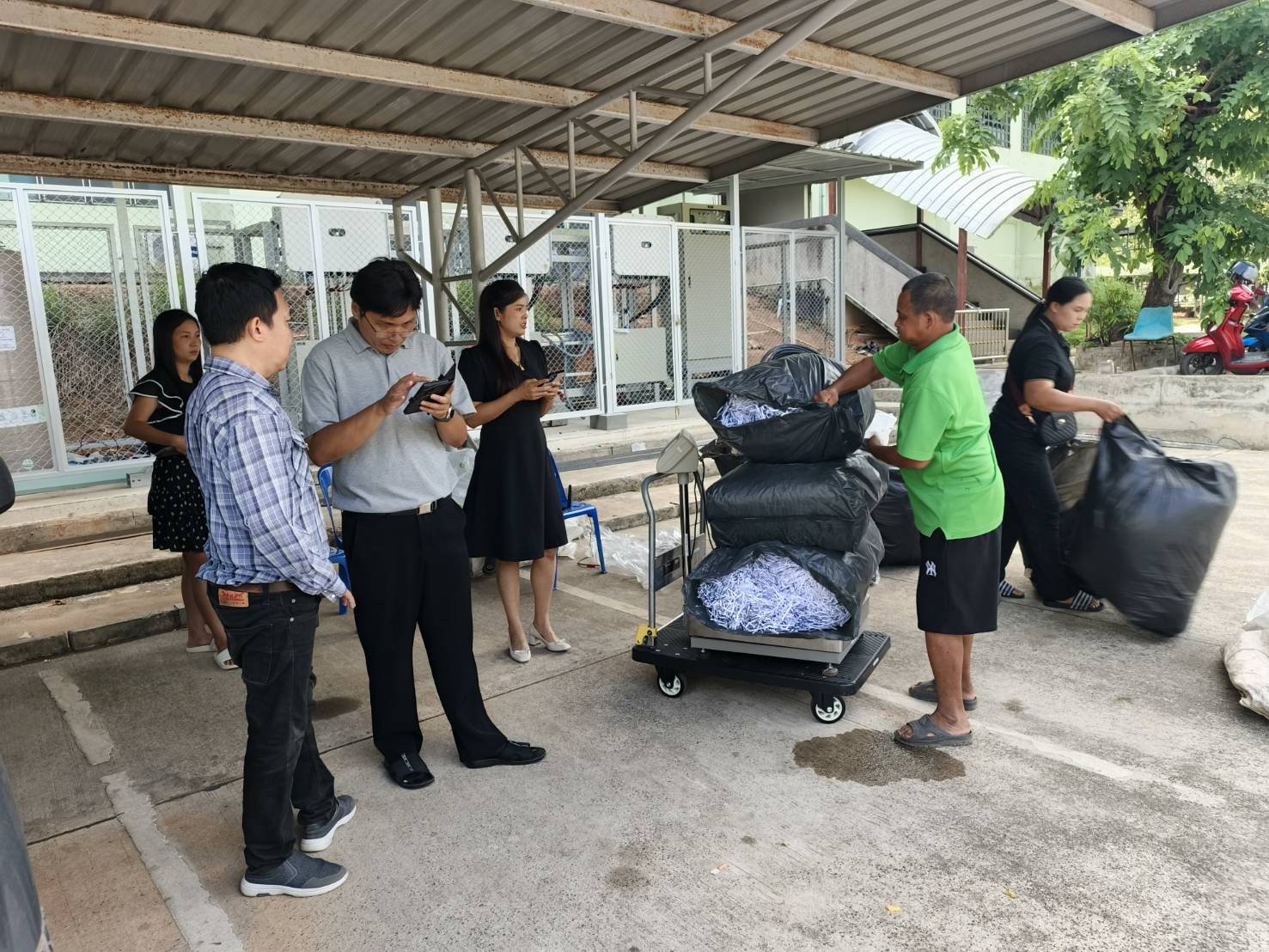
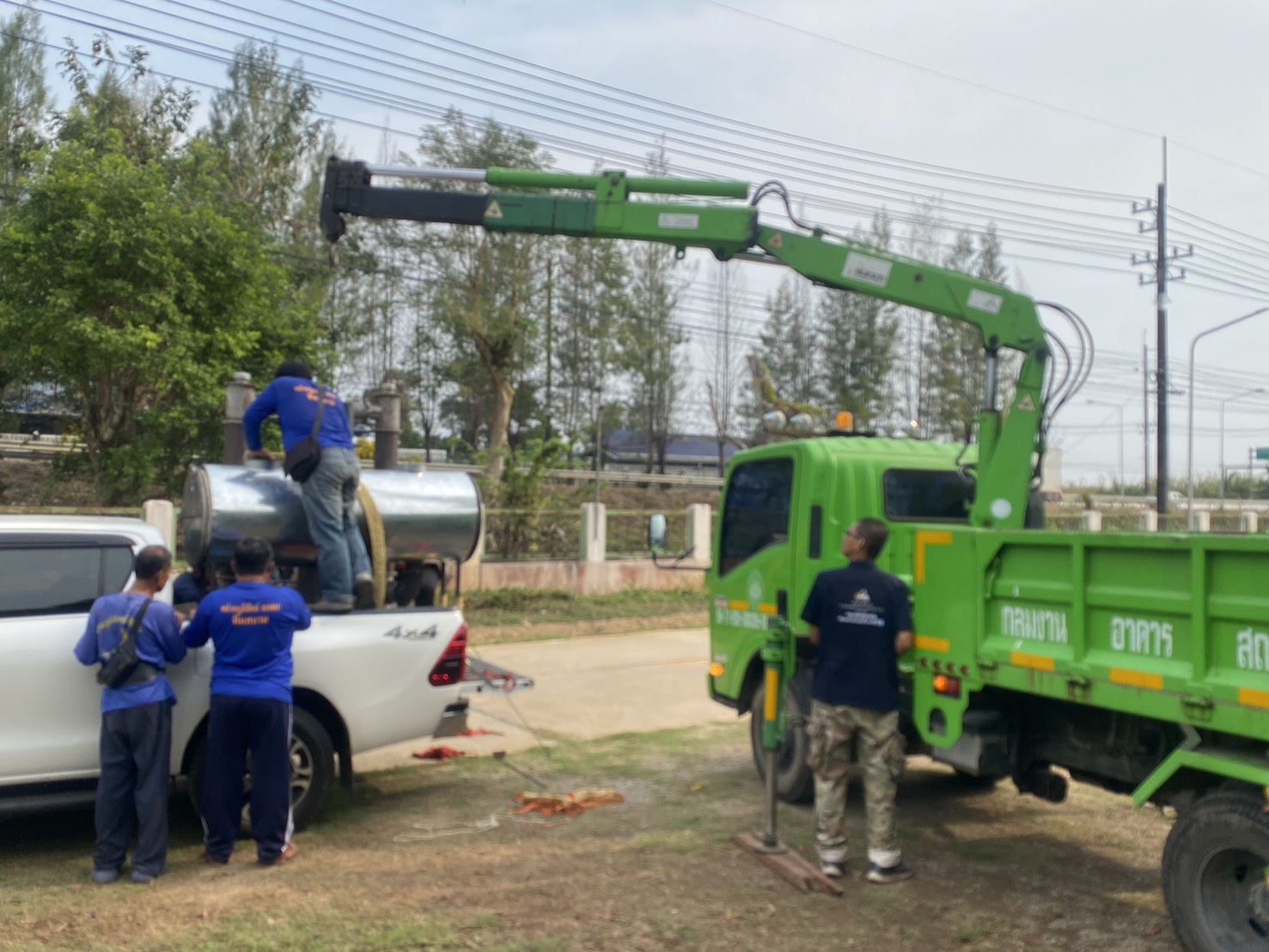
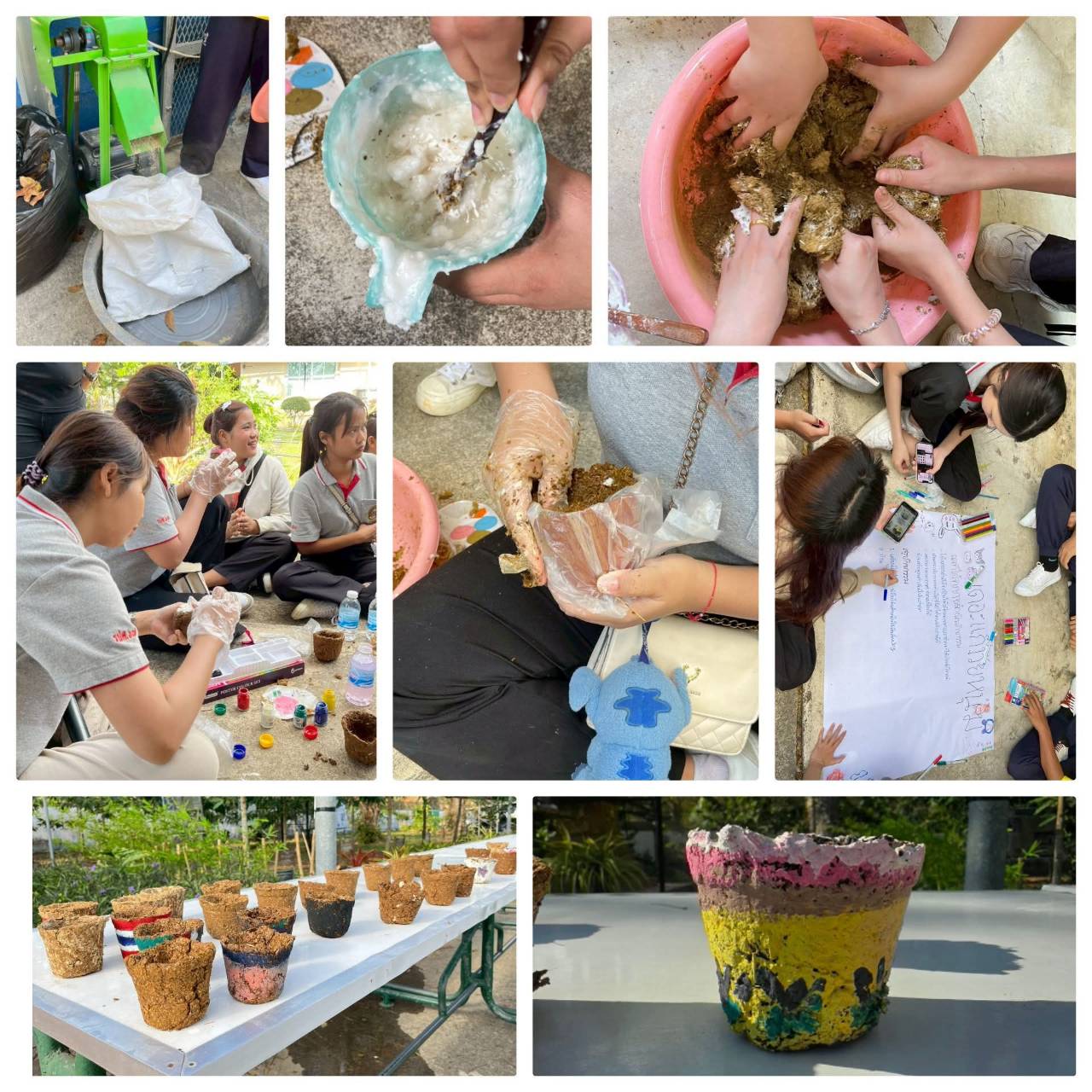
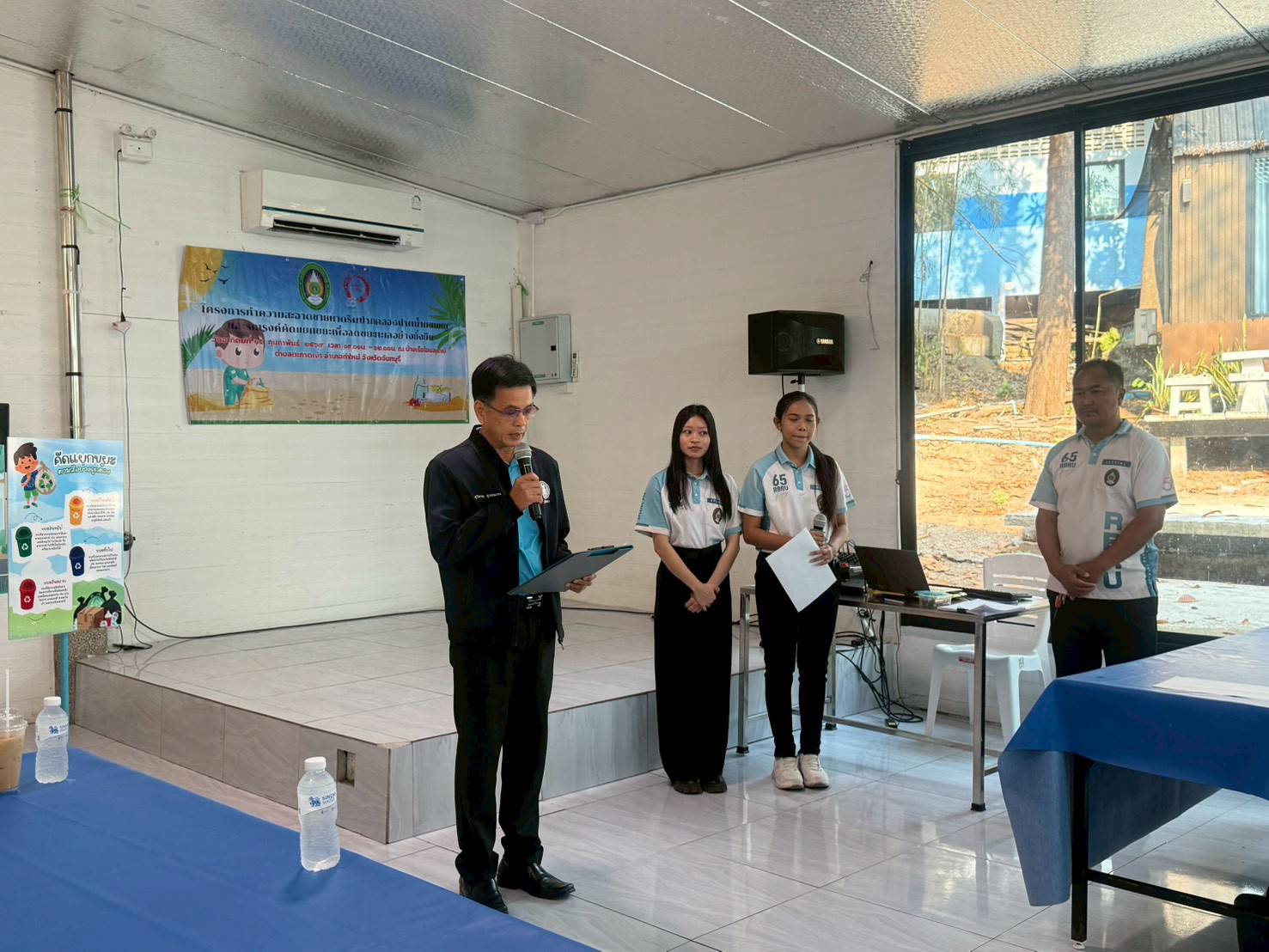
สำนักงานอธิการบดี มหาวิทยาลัยราชภัฏรำไพพรรณี ขับเคลื่อนระบบบริหารจัดการสิ่งแวดล้อมอย่างยั่งยืน จัดกิจกรรม "ธนาคารขยะ" ประจำเดือนเมษายน 2569 เพื่อสร้างรายได้จากขยะเหลือใช้ เพื่อสิ่งแวดล้อมและความยั่งยืน โดยมีคณะผู้บริหาร บุคลากร และนักศึกษาเข้าร่วมนำขยะรีไซเคิลมาเปลี่ยนเป็นมูลค่าอย่างต่อเนื่อง
กิจกรรมในครั้งนี้มุ่งเน้นการจัดการขยะแห้ง 3 ประเภทหลัก ได้แก่ ขวดพลาสติก ขวดแก้ว และกระดาษ เพื่อเข้าสู่กระบวนการรีไซเคิลอย่างครบวงจร ซึ่งเป็นหัวใจสำคัญของนโยบายด้านสิ่งแวดล้อมที่มหาวิทยาลัยให้ความสำคัญมาโดยตลอด โดยมีการนำเทคโนโลยีแอปพลิเคชัน "คุ้มค่า" (KoomKah) มาใช้เป็นเครื่องมือหลักในการบริหารจัดการข้อมูล การซื้อขาย และการสะสมแต้ม เพื่อสร้างแรงจูงใจและปรับเปลี่ยนทัศนคติจากการทิ้งขยะให้เป็นการสร้างมูลค่าเพิ่มที่ตรวจสอบได้
ผลลัพธ์จากการดำเนินโครงการธนาคารขยะไม่เพียงแต่ช่วยลดปริมาณขยะสะสมในรั้วมหาวิทยาลัย แต่ยังเป็นการแสดงให้เห็นถึงความพร้อมในการเป็นสถาบันการศึกษาต้นแบบด้านการบริหารจัดการสิ่งแวดล้อมที่เชื่อมโยงระหว่างเทคโนโลยีกับการอนุรักษ์ได้อย่างลงตัว ความสำเร็จนี้ถือเป็นส่วนหนึ่งของการยกระดับมหาวิทยาลัยไปสู่การพัฒนาที่ยั่งยืน โดยอาศัยความร่วมมือจากทุกภาคส่วนในการแสดงความรับผิดชอบต่อสังคมและสิ่งแวดล้อมร่วมกันอย่างเป็นรูปธรรม
สำหรับผู้ที่สนใจร่วมเป็นส่วนหนึ่งในการขับเคลื่อนสังคมสีเขียว สามารถติดตามรายละเอียดกิจกรรมและยอดการสะสมคะแนนได้ผ่านแอปพลิเคชัน KoomKah หรือสอบถามข้อมูลเพิ่มเติมได้ที่หน่วยงานประสานงานด้านสิ่งแวดล้อม สำนักงานอธิการบดี มหาวิทยาลัยราชภัฏรำไพพรรณี
CHANTHABURI, Thailand — Rambhai Barni Rajabhat University (RBRU) convened its monthly "Waste Bank" initiative on April 10, 2026, as part of a campus-wide strategy to integrate digital management with environmental sustainability. The Office of the President led the event, which drew participation from executives, staff, and students who submitted plastic bottles, glass, and paper for processing. Organizers utilized the "KoomKah" mobile application to record transaction data, manage points, and facilitate transparent pricing for all materials collected during the session. The program aims to institutionalize waste separation by converting post-consumer materials into traceable financial assets. By employing the KoomKah platform, the university tracks the volume of recyclables diverted from local landfills, providing a data-driven approach to its green policies. University officials stated that the systematic collection of glass and paper serves as a primary pillar of the institution′s long-term environmental roadmap. This monthly cycle is designed to shift campus behavior from simple disposal to active resource recovery through economic incentives. "The integration of the KoomKah application allows us to transform traditional recycling into a verifiable data set for our sustainability goals," said an RBRU environmental coordination officer. "This system ensures that every kilogram of plastic or paper brought in by our community contributes directly to a circular economy model that is both transparent and measurable." The officer noted that the April event saw a steady turnout, maintaining the momentum of previous monthly sessions held throughout the academic year. RBRU positioned the Waste Bank as a model for regional educational institutions seeking to bridge the gap between technology and conservation. Beyond immediate waste reduction, the university intends for the project to serve as a practical demonstration of social responsibility for its student body. Participants can monitor their individual impact and accumulated earnings through the digital interface. The university plans to expand these initiatives as part of its broader commitment to achieving national environmental benchmarks and fostering a sustainable campus ecosystem.