
คณะมนุษยศาสตร์และสังคมศาสตร์14 มี.ค. 2569

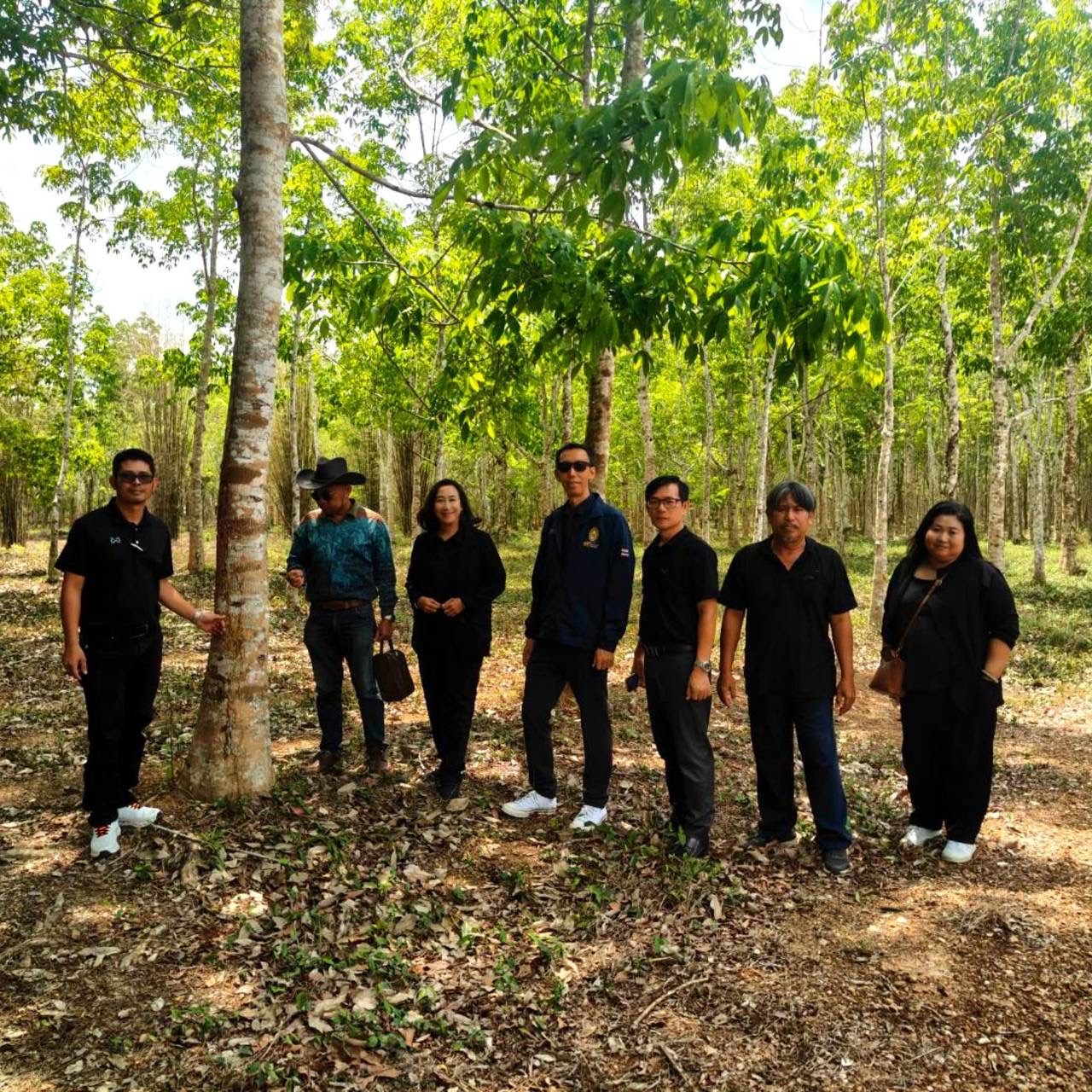
สาขาวิชาการพัฒนาชุมชน คณะมนุษยศาสตร์และสังคมศาสตร์ มหาวิทยาลัยราชภัฏรำไพพรรณี จัดกระบวนการเรียนรู้ภาคสนามสำหรับนักศึกษาที่เรียนรายวิชา ชุมชนศึกษา (Community Study) ณ บ้านแหลมกลัด หมู่ที่ 2 ตำบลแหลมกลัด อำเภอเมือง จังหวัดตราด โดยมี อาจารย์ชัชวาลย์ มากสินธ์ ผู้รับผิดชอบรายวิชา ร่วมกับผู้นำชุมชน ออกแบบกระบวนการเรียนรู้เพื่อให้นักศึกษาได้เรียนรู้ชุมชนจากพื้นที่จริง
กิจกรรมครั้งนี้มุ่งให้นักศึกษาได้ฝึกทักษะพื้นฐานของการทำงานพัฒนาชุมชน ตั้งแต่การลงพื้นที่ การสังเกต การสร้างความสัมพันธ์ การสัมภาษณ์และพูดคุยกับคนในชุมชน ตลอดจนการใช้ เครื่องมือการศึกษาชุมชน เพื่อทำความเข้าใจพื้นที่ วิถีชีวิต และการเปลี่ยนแปลงของชุมชนในมิติต่าง ๆ
นักศึกษาได้ฝึกใช้ แผนที่เดินดิน (Geo-Social Mapping) ผ่านการเดินสำรวจพื้นที่จริง เพื่อมองเห็นความสัมพันธ์ระหว่างสถานที่ ผู้คน ทรัพยากร กิจกรรม และวิถีชีวิตที่เกิดขึ้นภายในชุมชน ควบคู่กับการใช้ เส้นประวัติศาสตร์ชุมชน (Community Timeline) ในการพูดคุยกับคนในพื้นที่ เพื่อเรียนรู้เหตุการณ์สำคัญ จุดเปลี่ยน และพัฒนาการของชุมชนจากอดีตจนถึงปัจจุบัน
ภายหลังการเก็บข้อมูล นักศึกษาได้นำข้อมูลที่ได้มาร่วมกันวิเคราะห์และจัดระบบ ก่อนจัด เวทีคืนข้อมูลสู่ชุมชน เพื่อให้ผู้นำและคนในพื้นที่ได้ร่วมตรวจสอบ เติมเต็ม และยืนยันความถูกต้องของข้อมูล หรือ Member Checking ซึ่งเป็นกระบวนการสำคัญที่ช่วยให้การศึกษาชุมชนไม่ได้เกิดจากมุมมองของผู้ศึกษาเพียงฝ่ายเดียว แต่เปิดพื้นที่ให้คนในชุมชนมีส่วนร่วมในการให้ความหมายแก่ข้อมูลของตนเอง
ช่วงท้ายของกิจกรรม นักศึกษาได้ร่วม ล้อมวงสะท้อนคิด (Reflection) เพื่อถอดประสบการณ์จากการลงสนาม แลกเปลี่ยนสิ่งที่ได้เรียนรู้ สิ่งที่พบจากการพูดคุยกับชุมชน รวมถึงทบทวนบทบาทของตนเองในฐานะผู้ศึกษาชุมชน
การเรียนรู้ครั้งนี้จึงเป็นมากกว่าการนำเครื่องมือไปเก็บข้อมูล แต่เป็นการฝึกให้นักศึกษาเรียนรู้ที่จะ “อ่านชุมชนผ่านพื้นที่ ฟังชุมชนผ่านเสียงของคนใน และทำความเข้าใจชุมชนจากความสัมพันธ์ที่เกิดขึ้นจริง” ซึ่งเป็นพื้นฐานสำคัญของการพัฒนาชุมชนที่ให้คุณค่ากับความรู้และการมีส่วนร่วมของคนในพื้นที่
The Community Development Program, Faculty of Humanities and Social Sciences at Rambhai Barni Rajabhat University (RBRU), organized a field learning activity for students enrolled in the course Community Study at Ban Laem Klat, Moo 2, Laem Klat Sub-district, Mueang District, Trat Province. Led by Ajarn Chatchawal Maksin, course instructor, in collaboration with local community leaders, the program was designed to immerse students in real-world community environments. The initiative aimed to train students in fundamental community development skills, including fieldwork, observation, relationship-building, interviewing local residents, and utilizing community study tools to understand local areas, ways of life, and multidimensional community changes. Students practiced Geo-Social Mapping through active exploration to visualize relationships among locations, people, resources, activities, and daily life within the community. Concurrently, they utilized a Community Timeline to interview residents and trace significant historical events, turning points, and developmental milestones from the past to the present. Following data collection, students analyzed and categorized the findings before holding a Member Checking feedback session with local leaders and residents. This allowed the community to verify, supplement, and validate the data, ensuring the study reflected local perspectives rather than solely external viewpoints. At the conclusion of the activity, students participated in a Reflection circle to debrief their field experience, discuss insights gained from community interactions, and evaluate their roles as community researchers. This experiential learning exercise went beyond traditional data gathering, teaching students to "read communities through space, listen through local voices, and understand through genuine relationships"—serving as a vital foundation for community development that values local knowledge and participation.


