
ฝ่ายประชาสัมพันธ์25 มิ.ย. 2569
มหาวิทยาลัยราชภัฏรำไพพรรณี เดินหน้ายกระดับความปลอดภัยในพื้นที่จังหวัดจันทบุรี บูรณาการองค์ความรู้ด้านเทคโนโลยีร่วมกับหน่วยงานความมั่นคง เพื่อแก้ไขปัญหาวิกฤตช้างป่ารุกรานเขตชุมชนอย่างเป็นรูปธรรม
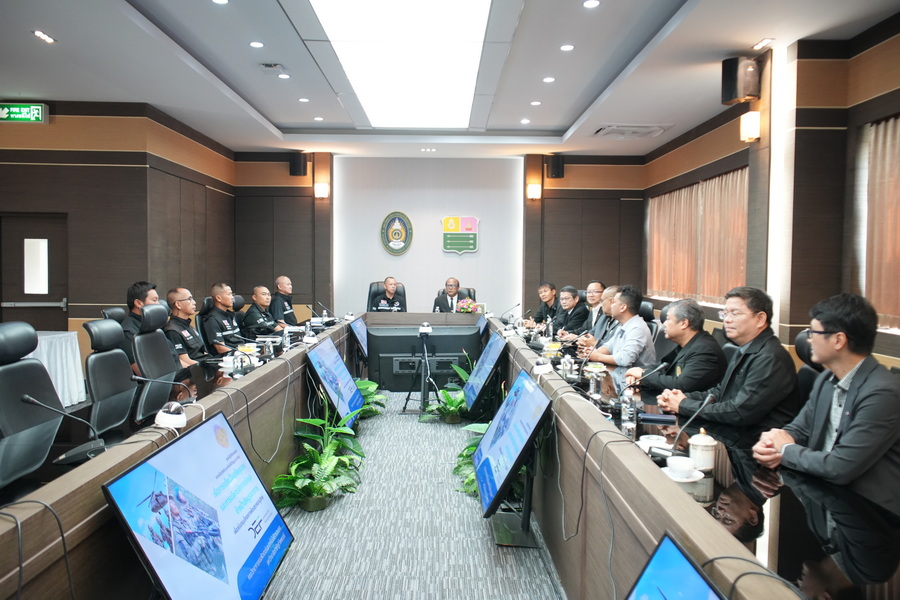
เมื่อวันที่ 14 มกราคม 2569 ผู้ช่วยศาสตราจารย์ไวกูณฑ์ ทองอร่าม อธิการบดีมหาวิทยาลัยราชภัฏรำไพพรรณี พร้อมด้วยคณะผู้บริหาร และผู้ช่วยศาสตราจารย์ปฏิคม ทองจริง คณบดีคณะวิทยาการคอมพิวเตอร์และเทคโนโลยีสารสนเทศ ให้การต้อนรับ พลเรือตรี รัฐศักดิ์ รักชื่น รองผู้อำนวยการรักษาความมั่นคงภายในจังหวัดจันทบุรี (ฝ่ายทหาร) และคณะ ในโอกาสเข้าเยี่ยมชมและรับฟังการบรรยายสรุป “โครงการระบบปัญญาประดิษฐ์เพื่อการเฝ้าระวังช้างป่า” ซึ่งเป็นนวัตกรรมที่พัฒนาขึ้นเพื่อตอบโจทย์วิกฤตความขัดแย้งระหว่างคนกับช้างในท้องถิ่น
ผู้ช่วยศาสตราจารย์ไวกูณฑ์ ทองอร่าม อธิการบดี ระบุว่า มหาวิทยาลัยให้ความสำคัญกับการเป็นที่พึ่งของท้องถิ่น โดยเฉพาะการนำนวัตกรรมมาปรับใช้กับปัญหาเร่งด่วนที่กระทบต่อสวัสดิภาพและทรัพย์สินของประชาชน การพัฒนาระบบ AI ในครั้งนี้จึงมิใช่เพียงการโชว์ศักยภาพทางวิชาการ แต่เป็นการสร้างเครื่องมือที่ใช้งานได้จริงเพื่อปกป้องชีวิตของชาวจันทบุรี
ทางด้านกลไกการทำงาน ผู้ช่วยศาสตราจารย์ ดร.วิชาญ ทุมทอง หัวหน้าโครงการ ชี้แจงว่าระบบปัญญาประดิษฐ์ที่พัฒนาขึ้นมีความสามารถในการตรวจจับและจำแนกอัตลักษณ์ช้างป่าผ่านโครงข่ายกล้องวงจรปิดอัจฉริยะ โดยระบบจะทำการวิเคราะห์และส่งสัญญาณแจ้งเตือนไปยังเจ้าหน้าที่รวมถึงอาสาสมัครในพื้นที่ผ่านระบบออนไลน์แบบทันที (Real-time) ช่วยให้สามารถสกัดกั้นและผลักดันช้างป่ากลับคืนสู่ธรรมชาติได้ทันท่วงที ลดความเสี่ยงในการเกิดความสูญเสียทั้งต่อคนและช้างป่า
พลเรือตรี รัฐศักดิ์ รักชื่น รองผู้อำนวยการรักษาความมั่นคงภายในจังหวัดจันทบุรี (ฝ่ายทหาร) เปิดเผยว่า ความร่วมมือครั้งนี้เป็นการบูรณาการระหว่างหน่วยงานความมั่นคงและภาคการศึกษาเพื่อนำนวัตกรรมมาใช้ในภารกิจความปลอดภัยระดับพื้นที่ โดย กอ.รมน.จันทบุรี พร้อมให้การสนับสนุนการขยายผลการใช้งานระบบดังกล่าวไปยังจุดเสี่ยงต่างๆ ทั่วจังหวัด เพื่อให้เกิดโครงข่ายเฝ้าระวังที่ครอบคลุมและมีประสิทธิภาพสูงสุด
ความสำเร็จของโครงการนี้สะท้อนถึงการนำ “เทคโนโลยีฝีมือคนไทย” มาเชื่อมโยงกับวิสัยทัศน์การพัฒนาท้องถิ่นอย่างยั่งยืน การเปลี่ยนผ่านจากการเฝ้าระวังแบบดั้งเดิมสู่ระบบอัจฉริยะไม่เพียงแต่ช่วยเพิ่มประสิทธิภาพในการทำงานของเจ้าหน้าที่ แต่ยังเป็นการสร้างโมเดลการอยู่ร่วมกันระหว่างชุมชนและทรัพยากรธรรมชาติอย่างสมดุลภายใต้สภาพแวดล้อมที่ปลอดภัย
Rambhai Barni Rajabhat University (RBRU) is strengthening regional safety by integrating artificial intelligence into wildlife management. In a strategic collaboration with security agencies, the university has developed a tech-driven approach to mitigate human-elephant conflicts in Chanthaburi’s residential areas. Assistant Professor Waigoon Thongaram, President of Rambhai Barni Rajabhat University, alongside senior executives and Assistant Professor Patikom Thongjing, Dean of the Faculty of Computer Science and Information Technology, welcomed Rear Admiral Ratsak Rakchuen, Deputy Director of the Internal Security Operations Command (ISOC) Chanthaburi, to the university for a briefing on the "AI System for Wild Elephant Surveillance." "The university is committed to serving as a local pillar by applying innovation to urgent challenges that threaten the welfare and property of our citizens," said Assistant Professor Waigoon Thongaram. "This AI system is not merely an academic demonstration; it is a functional tool designed specifically to protect lives in the Chanthaburi community." The surveillance system, led by Assistant Professor Dr. Wichan Thumthong, utilizes an intelligent CCTV network capable of detecting and identifying wild elephants. The AI analyzes visual data and transmits real-time alerts to officials and local volunteers through an online platform. This enables immediate intervention and humane redirection of elephants back to their natural habitats, significantly reducing the risk of loss for both humans and wildlife. Rear Admiral Ratsak Rakchuen stated that the partnership represents a vital integration of security and academia. He noted that ISOC Chanthaburi is prepared to support the expansion of this system to high-risk zones across the province to establish a comprehensive and efficient surveillance network. This project exemplifies the university’s vision of sustainable local development through homegrown technology. By transitioning from traditional monitoring to an intelligent framework, RBRU is providing a scalable model for human-wildlife coexistence, ensuring a safer environment for the region.