ฝ่ายประชาสัมพันธ์14 ม.ค. 2569

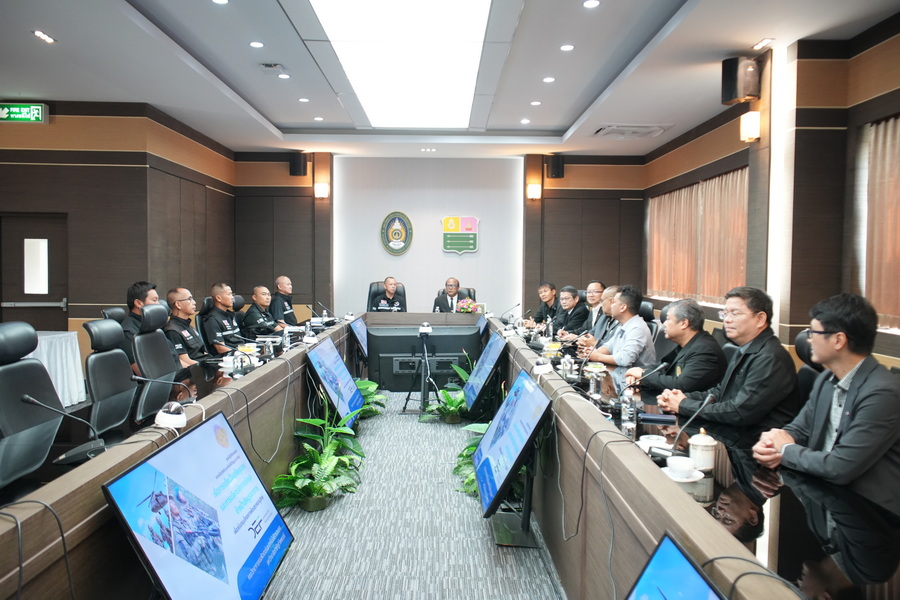
จันทบุรี – 25 มิถุนายน 2569 : มหาวิทยาลัยราชภัฏรำไพพรรณี ร่วมกับ บริษัท วิริยะประกันภัย จำกัด (มหาชน) เดินหน้าแก้ไขปัญหาความขัดแย้งระหว่างคนกับช้างป่าอย่างยั่งยืน จัดพิธีส่งมอบอุปกรณ์ระบบกล้องวงจรปิดอัจฉริยะ โครงการ “รักษ์ช้างยั่งยืน สร้างเครือข่ายจิตอาสา รักษ์ช้างป่าภาคตะวันออก” ครั้งที่ 2 ณ ห้อง AICEE ศูนย์ปัญญาประดิษฐ์เพื่อการเฝ้าระวังและแจ้งเตือนภัยช้างป่า ชั้น 2 อาคารเฉลิมพระเกียรติ มหาวิทยาลัยราชภัฏรำไพพรรณี โดยมี รองศาสตราจารย์พอพันธ์ สุทธิวัฒนะ รักษาราชการแทนอธิการบดีมหาวิทยาลัยราชภัฏรำไพพรรณี เป็นผู้รับมอบจาก นายอธิป พรมมาโฮม ผู้จัดการศูนย์ปฏิบัติการสินไหมทดแทนจันทบุรี บริษัท วิริยะประกันภัย จำกัด (มหาชน)
การสนับสนุนในครั้งนี้มุ่งเพิ่มประสิทธิภาพระบบเตือนภัยล่วงหน้าเพื่อความปลอดภัยของชุมชน ประกอบด้วย ชุดกล้องวงจรปิดระบบโซลาร์เซลล์ 5 ชุด ติดตั้งทดแทนอุปกรณ์เดิมที่ชำรุดจากการปฏิบัติงานตลอด 2 ปี ช่วยให้ระบบทำงานได้ต่อเนื่องในพื้นที่ห่างไกลที่ไม่มีไฟฟ้าเข้าถึง ซิมการ์ดสัญญาณอินเทอร์เน็ต 5 เบอร์ รองรับการส่งสัญญาณภาพแบบเรียลไทม์เข้าสู่ระบบเทคโนโลยีปัญญาประดิษฐ์ (AI) ของศูนย์ AICEE ระบบแจ้งเตือนอัจฉริยะ ตรวจจับความเคลื่อนไหวและส่งสัญญาณไปยังชุดรักษาความปลอดภัยหมู่บ้านทันที ช่วยให้สกัดกั้นและผลักดันช้างป่าได้ทันท่วงทีก่อนสร้างความเสียหายต่อพืชผลและทรัพย์สิน
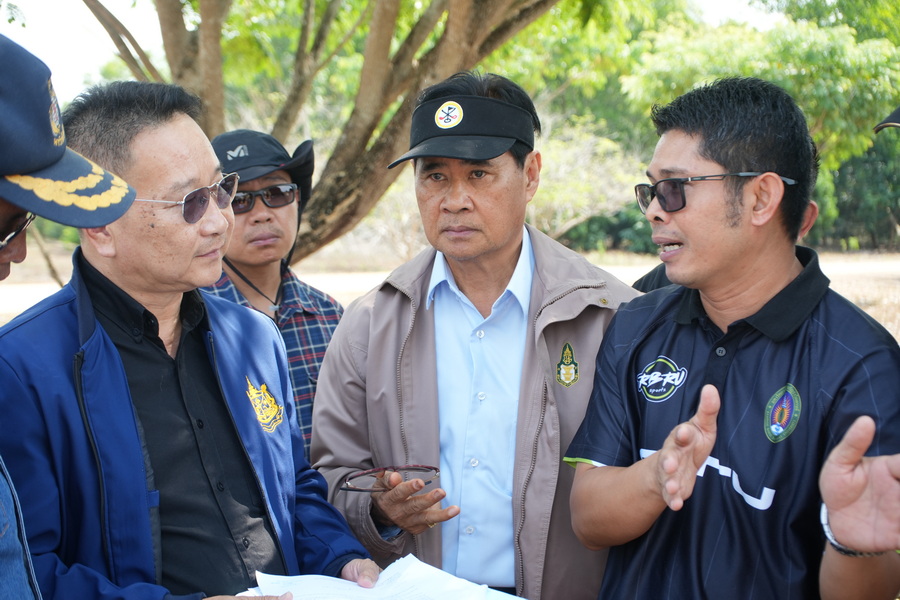
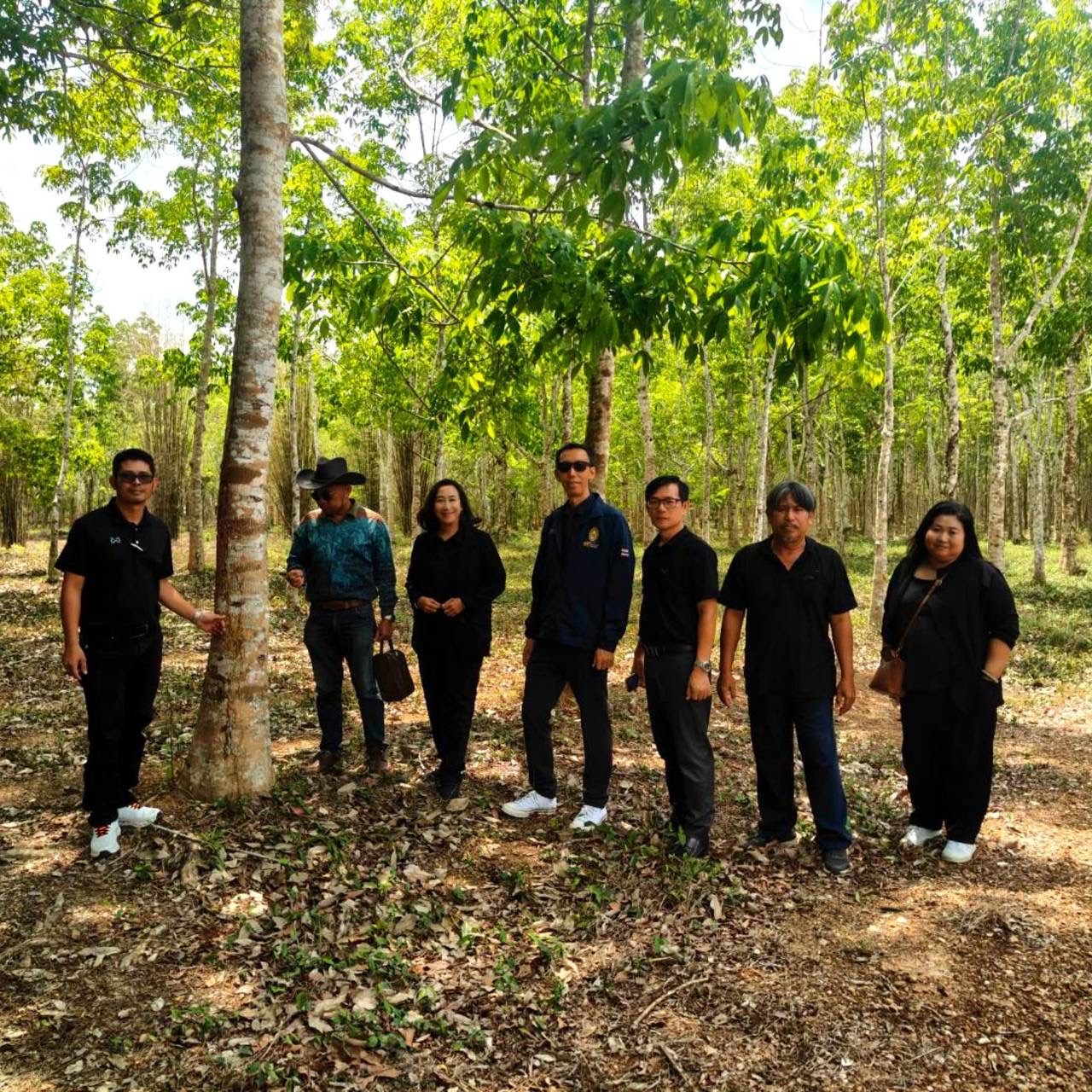
คณะทำงานเตรียมลงพื้นที่ติดตั้งอุปกรณ์และดำเนินกิจกรรมจิตอาสาในวันเสาร์ที่ 11 กรกฎาคม 2569 ณ หมู่บ้านคลองครก หมู่ที่ 10 ตำบลพวา อำเภอแก่งหางแมว จังหวัดจันทบุรี โดยจะร่วมมือกับผู้นำชุมชน ชาวบ้าน คณะอาจารย์ และนักศึกษา ร่วมกันปลูกป่าชุมชนและสร้างแหล่งแร่ธาตุอาหารหรือโป่งเทียม เพื่อดึงดูดให้ช้างป่ามีแหล่งอาหารสมบูรณ์ในเขตป่าลึก ลดการรุกรานเข้าสู่พื้นที่ทำกินของมนุษย์อย่างยั่งยืน
CHANTHABURI, Thailand — Rambhai Barni Rajabhat University and Viriyah Insurance delivered five solar-powered AI camera systems to Kaeng Hang Maew district on June 25 to monitor wild elephants. The Artificial Intelligence Center for Wild Elephant Monitoring and Early Warning received the equipment to upgrade infrastructure damaged during two years of field operations. The camera systems use artificial intelligence to detect elephant movements and transmit real-time alerts to village security teams, allowing them to redirect elephants before they damage local agricultural crops. Property damage and human-elephant conflict remain persistent issues in the agricultural zones of eastern Thailand. "The integration of artificial intelligence allows local monitors to receive immediate telemetry, reducing response times significantly," said Popan Sutthiwattana, acting president of the university. "This technology acts as an essential infrastructure bridge between human habitats and wildlife corridors." University researchers, students, and community volunteers plan to install the systems on July 11 in Klong Krok village. The deployment team will also construct artificial salt licks and plant community forests to restore natural food sources deeper within the forest conservation zones. Project organizers stated these measures aim to limit wildlife encroachment into commercial agricultural land.